Types of mobile cranes
Mobile cranes are essential pieces of equipment in sectors such as construction, industry and logistics, as they allow heavy loads to be lifted, moved and positioned efficiently and safely. There are different types of mobile cranes, all of which share one key advantage over other lifting systems: their ability to move independently, making them a versatile solution for a wide range of working environments.
What are mobile cranes?
Mobile cranes are lifting machines designed to handle heavy and bulky loads, with the added advantage of being able to move easily between different working positions. Unlike fixed cranes, they do not require permanent installation, helping to reduce both operating time and costs.
These cranes are typically equipped with advanced hydraulic systems, telescopic booms or lattice boom structures, and can operate in both urban environments and more demanding job sites. Their mobility makes them ideal for temporary projects or jobs where flexibility is essential.
Types of mobile cranes
There are several types of mobile cranes, each designed to suit specific lifting requirements, terrain conditions and project needs. Below are the most common.
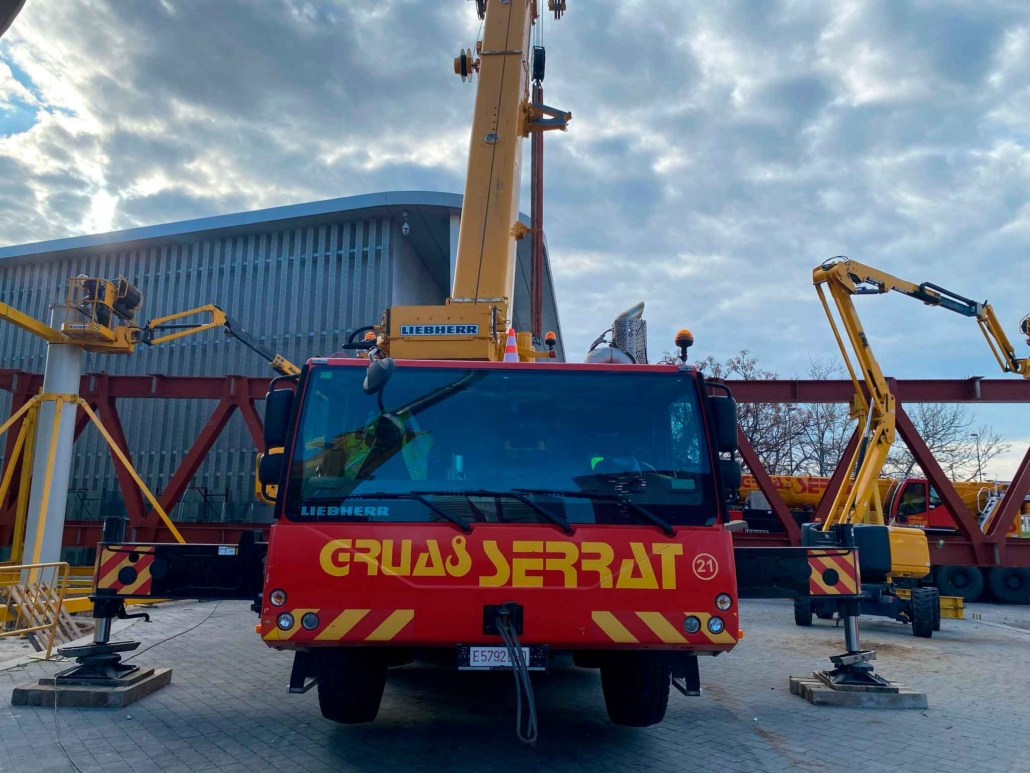
Self-propelled cranes
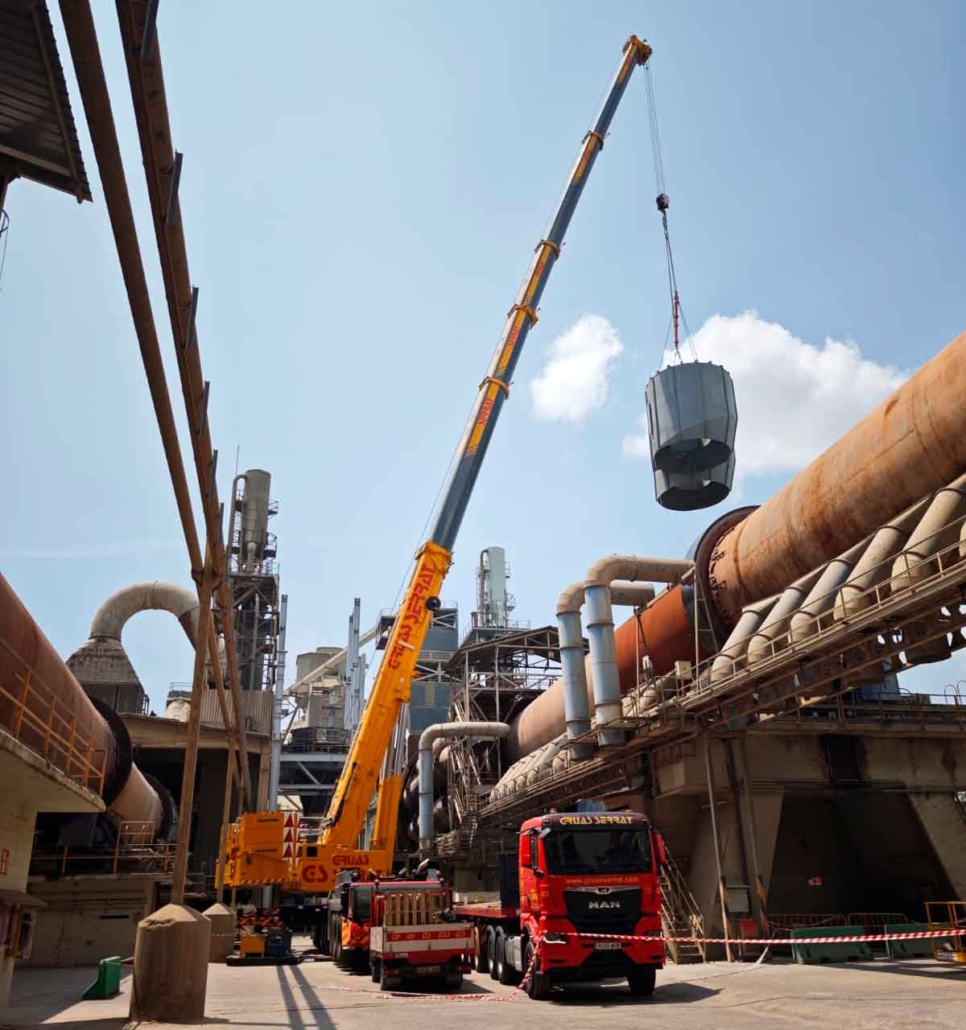
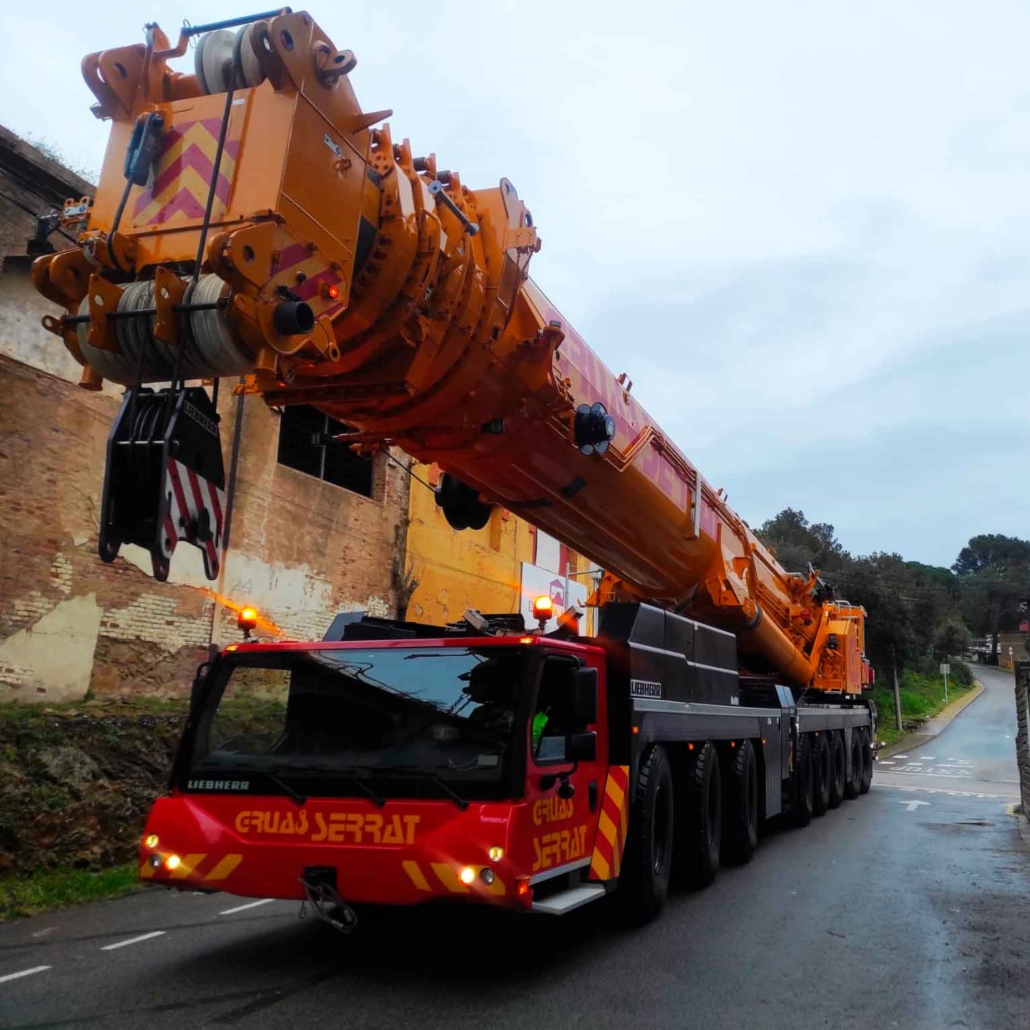
Self-propelled cranes have their own drive system, allowing them to travel on public roads or move around a construction site without requiring additional transport. Their lifting capacity ranges from just a few tonnes to several hundred tonnes.
They are known for their quick setup and versatility, making them widely used in urban construction projects, industrial maintenance and assembly work where mobility is essential.
Crawler lattice boom cranes
This type of mobile crane travels on crawler tracks, providing excellent stability on soft or uneven ground. Its lattice boom design enables it to reach great heights while lifting extremely heavy loads.
Crawler cranes are commonly used on major infrastructure projects such as bridges, wind farms and energy developments, where high lifting capacities are required.
Mobile tower cranes
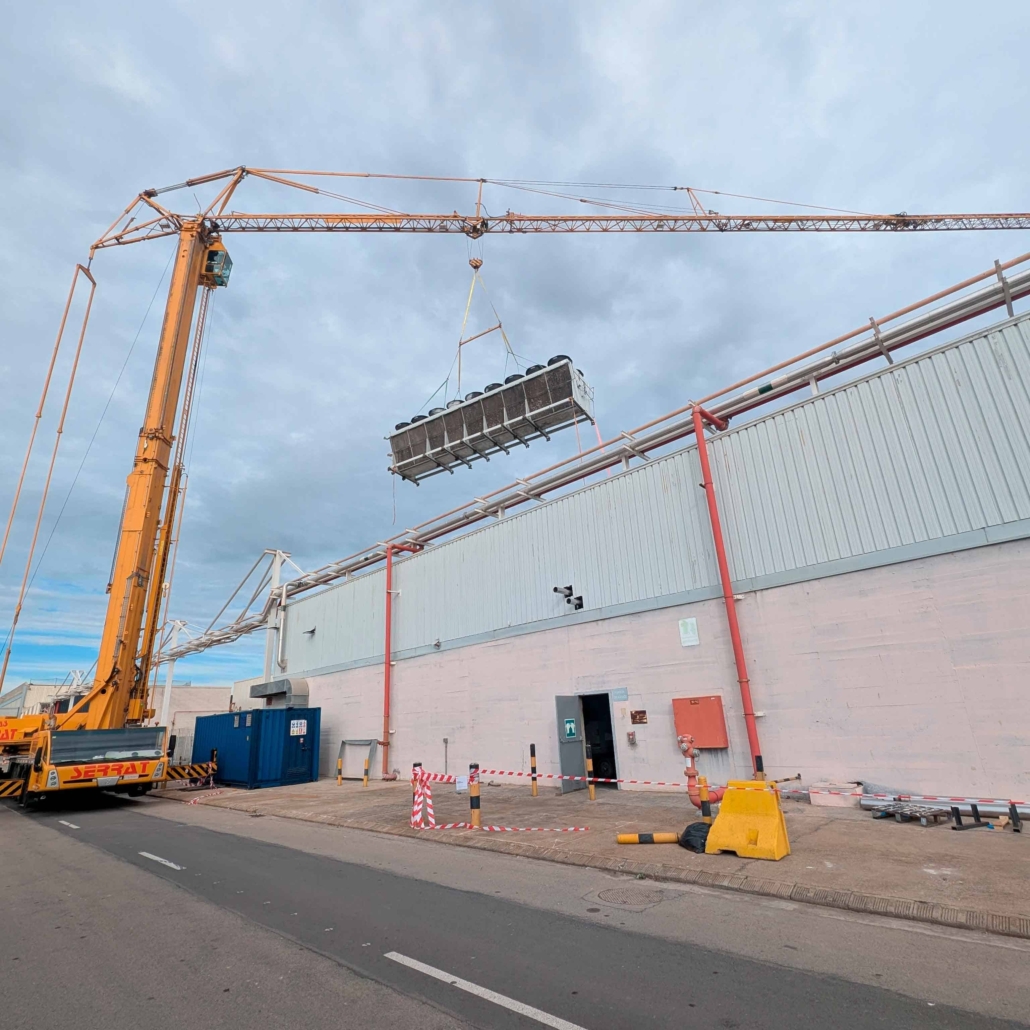
Mobile tower cranes combine the height and reach of a tower crane with the mobility of a mobile crane. They are self-erecting and self-dismantling, allowing them to be operational within minutes and significantly reducing setup times.
They are particularly well suited to work in urban environments, confined spaces and projects requiring a long horizontal reach.
Loader crane trucks
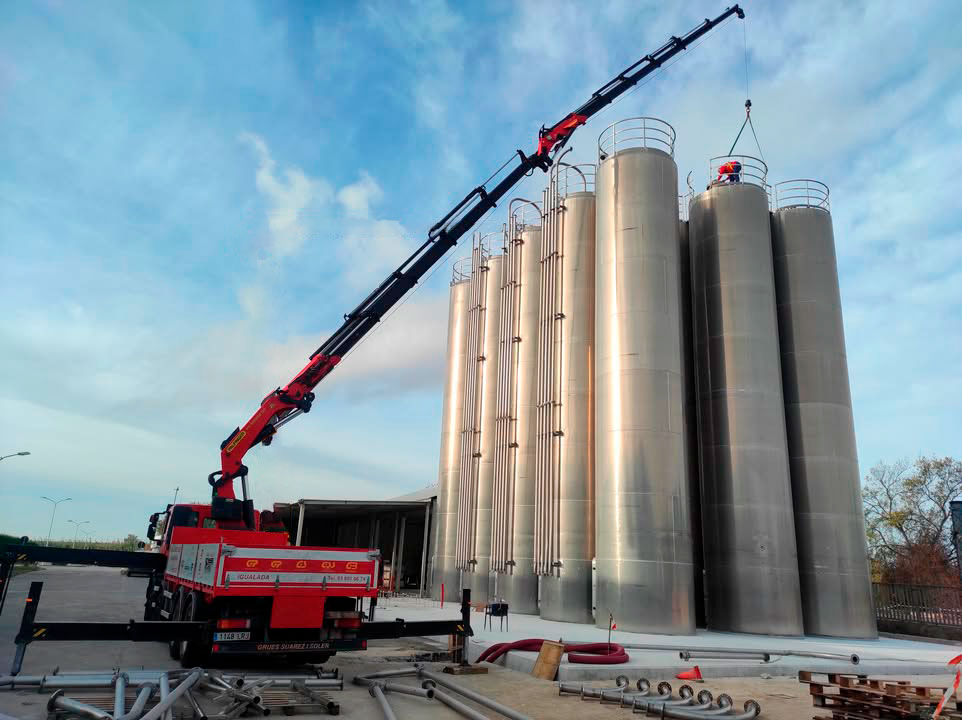
Loader crane trucks combine a hydraulic crane with a transport vehicle, allowing materials to be loaded, transported and unloaded in a single operation.
They are widely used in logistics, construction material transport, equipment installation and maintenance services. Their main advantage is operational efficiency.
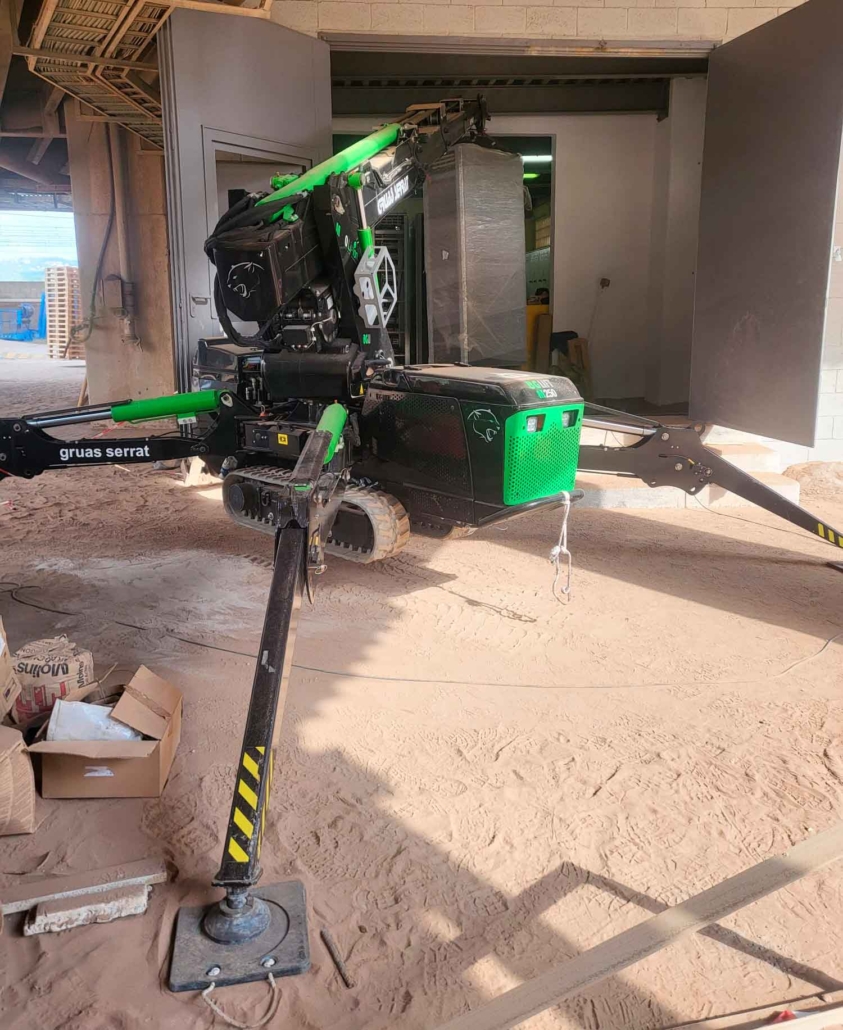
Mini cranes
Mini cranes are compact lifting machines designed to operate in confined or difficult-to-access areas, such as inside buildings or locations with space and weight restrictions.
Despite their compact size, they provide excellent lifting precision and capacity for specialised tasks, including glass installation, machinery handling and the positioning of lightweight structural components.
Applications of mobile cranes
Thanks to their versatility, mobile cranes are used in a wide variety of applications, including:
- Building construction and civil engineering projects
- Steel structure erection
- Industrial machinery installation
- Renewable energy projects, such as wind farms
- Major infrastructure works
- Loading and unloading heavy materials
- Maintenance and repair operations
Mobile cranes are the ideal solution for projects and industries that require an efficient combination of lifting capability and mobility.
When choosing between the different types of mobile cranes, it is important to consider factors such as the weight of the load, the working environment and the level of mobility required. If you are looking for the most suitable solution for your project, do not hesitate to contact our experts for personalised advice.