
The effect of wind on our cranes

You head out to work under blue skies and bright sunshine, and suddenly everything changes…
Rain, snow, thunder, lightning and wind. A lot of wind…

The effect of wind on our cranes and on the loads we lift can be the cause of accidents.
For this reason, modern cranes are equipped with an anemometer.

An anemometer is an instrument that measures wind speed or wind force
A crane may be fitted with up to two anemometers. It all depends on the length of the boom configuration being used (for high-capacity cranes or when additional jibs are fitted).
These anemometers are connected to the crane’s control panel. If the wind speed exceeds the maximum permitted value, the wind warning symbol begins to flash and an audible alarm sounds.
At that point, the crane does not stop abruptly, as leaving a suspended load hanging would create a safety risk. However, the lifting operation must be completed as quickly as possible and, where necessary, the telescopic boom should be retracted.
Many factors influence the effect of the wind: the size of the crane (whether it is a 60, 80, 100, 500 or 1,200-tonne crane), the type of load being lifted and the wind resistance it presents, how the wind acts on the crane and load as a whole, the lifting height and the wind direction.
For example, it is not the same for the wind to act from the front, the rear or the side when lifting a concrete panel for a prefabricated industrial building as it is when lifting the mast of a boat or a wind turbine blade, where the wind causes the load to oscillate and makes the crane boom vibrate.
The location of the operation also plays an important role. Wind behaves differently between buildings than it does in open countryside, and even a simple hedge can alter its behaviour.
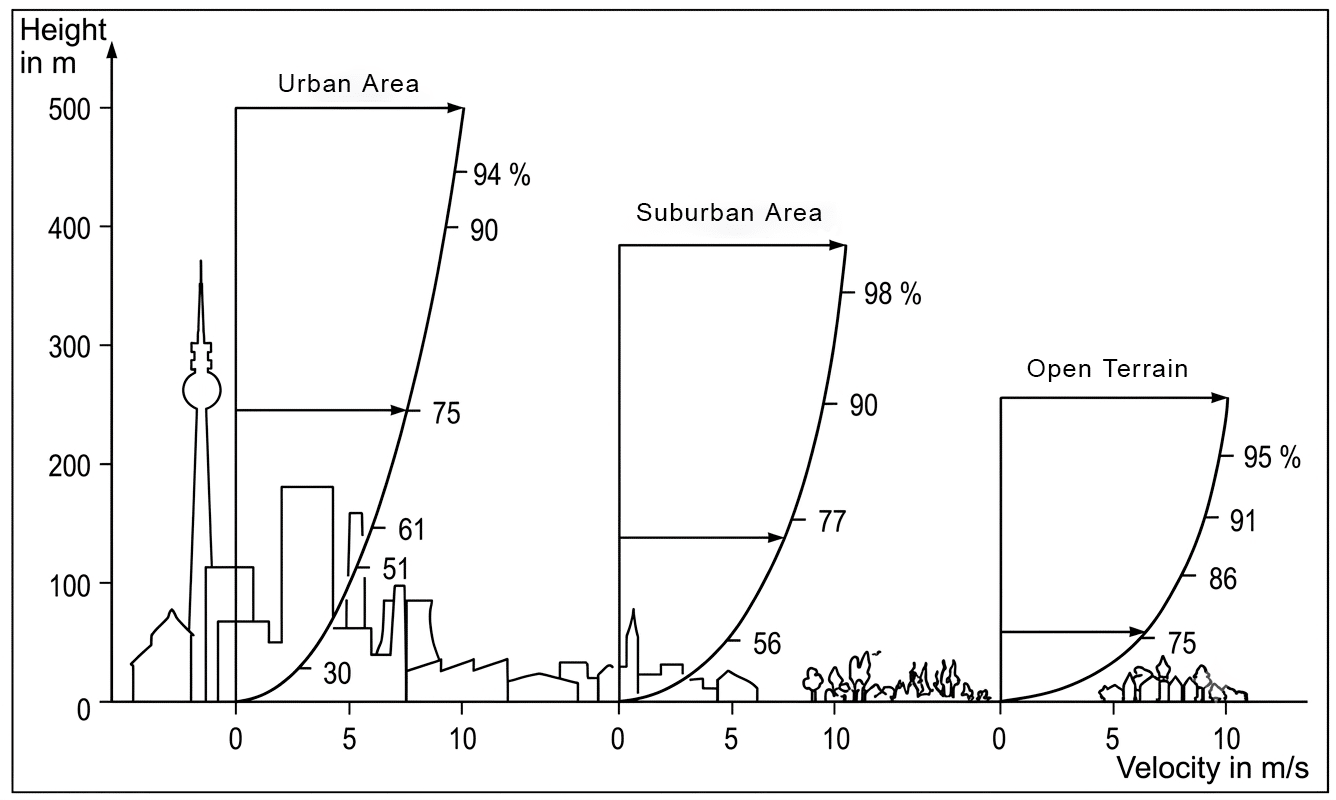
The stronger the obstacles in its path, the more the wind speed is reduced. Forests and large cities significantly slow the wind, while an airport runway offers very little resistance.
Even so, it should not be forgotten that between tall buildings the venturi effect can occur, as the air is compressed on the windward side of the buildings and its speed increases as it passes through an urban canyon.
Today, wind speed is classified according to the Beaufort Scale, developed by Sir Francis Beaufort in 1806. The unit used is the Beaufort force (Bft). It is a natural phenomena scale ranging from 0 to 12. In practice, the Beaufort value refers to the average wind speed measured over a 10-minute period at a height of 10 metres.
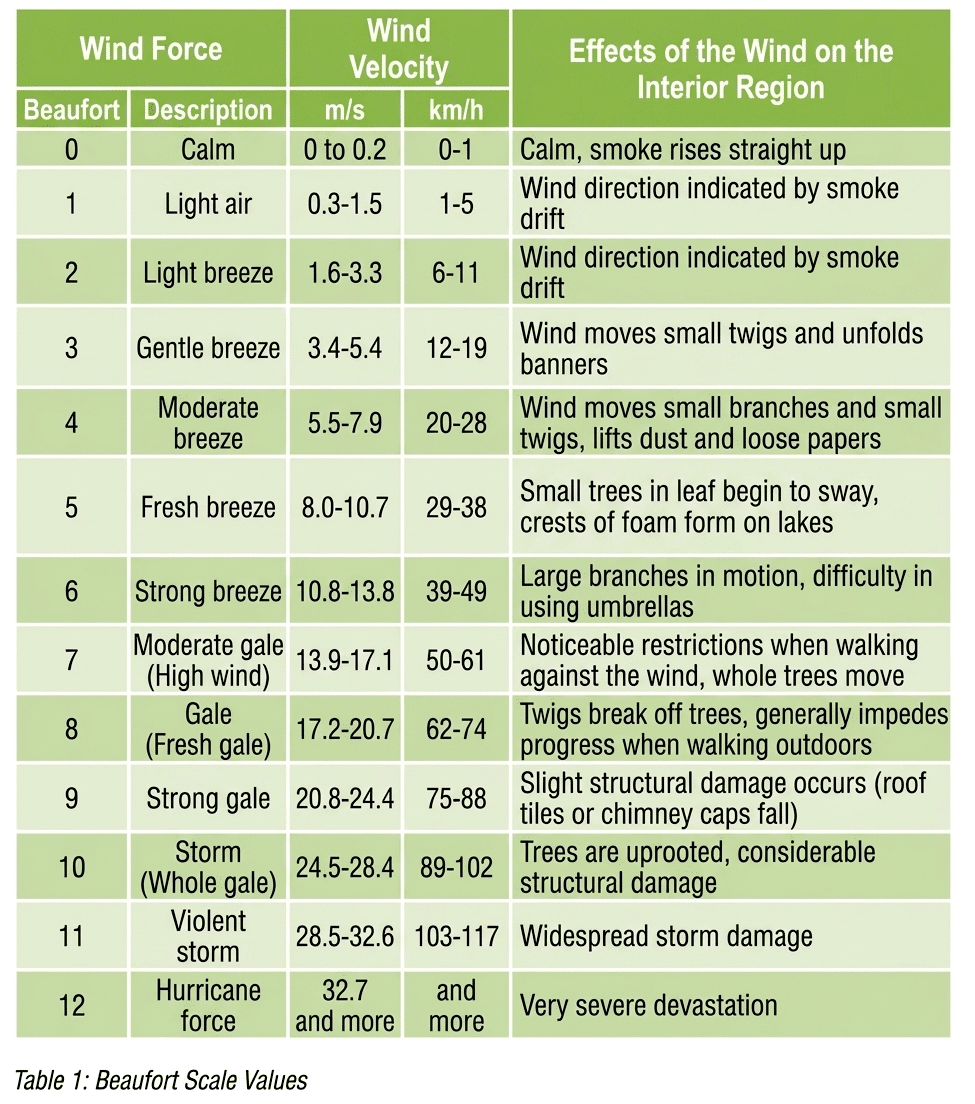
During crane operations, and especially when lifting loads with a large surface area, it is essential to take the effects of the wind into account.
Before starting work, the crane operator should check the weather forecast for that day, paying particular attention to the expected maximum wind speed.
In our Type B Mobile Crane Operator training courses, we dedicate an entire module to this subject: The Effect of Wind on Crane Operations, due to its importance when working with cranes with capacities exceeding 130 tonnes.

#tips #craneoperatorcourse #windeffect #mobilecraneoperatorcourse #liebherrcranes #gruasserrat


